April 2025. Life certainly has its rough patches, no? I’m in the middle of one right now.
It’s tempting to throw in the proverbial towel and just take a break from all the health goals when life laughs at your plans. And that certainly is a valid option. Sometimes taking a break is exactly what is needed to come back stronger.
But other times, continuing forward progress is what will help the most. Especially if you need a distraction from highly emotional times. (Hi, that’s me!). Keeping busy and staying focused on my goals is helping me to navigate this rough patch.
Enter environmental design. This is a strategy based on setting up your environment in a way that makes it easier to make the choice you decided to make when life wasn’t quite so rough. And if this resonates with you, be sure to check out my blog onhow to never fail at your goals again.
I’m also sharing a simple, healthy, and delicious recipe for the hummus wraps I have been loving for quite a minute now. It’s best for those who can put together a wrap when it’s time to eat. That way the wrap doesn’t get soggy from the ingredients. It’s also vegan, but don’t let that scare you away. You can always add some meat!
“Start where you are. Use what you have. Do what you can.” – The great Arthur Ashe
Yours in good health, Alexia Lewis, RD Master’s Level Nutritionist Registered Dietitian Certified Health Coach
What’s On My Table
Ever wondered what a dietitian eats? Surprise! It is not only super-healthy foods. This dietitian eats for nutrition and for pleasure. You can too.
I’m having a food jag with my hummus wrap for lunch. #noshame. With just a little meal-prepping, I’m enjoying quick-to-make lunches that are nutrition-rich and delicious!
The meal-prepping part:
Peel away the tunic (that’s the papery coating!) and slice one Vidala or another sweet onion.
Wash, remove seeds, and slice one or two bell peppers into strips.
Wash and cut one zucchini or yellow squash in half, then cut into large matchsticks.
Sauté these vegetables until they are cooked to your preference.
Store in the refrigerator for 3-4 days and grab them when it’s time to make lunch.
You can use any vegetables you like that will cook down to soft so they will roll up into a wrap. Cutting into slices or large matchsticks works best.
The make-a-lunch part:
Get a burrito-sized flour tortilla. Heat using stovetop if not bendy. Do not get too close to the stove element or flame!
Spread your favorite hummus on one half of the wrap. May I recommend Lantana’s Sriracha Carrot Hummus – *chef’s kiss* (no affiliation).
Sprinkle nutritional yeast on the hummus for a little more protein and a little bit of a cheesy flavor. I use about a teaspoon, but there are no rules here.
Get those prepped veggies out of the fridge and place them on top of the hummus and nutritional yeast. It takes a little practice to get the right amount of veggies so the wrap isn’t sad, but not so much that it won’t wrap up or stay together.
Add a side of fruit. I love blackberries and fresh pineapple these days.
You can add meat or legumes like chickpeas, or tofu to boost the protein.
Give this recipe a try and let me know what you think! I would also love your suggestions for ways to jazz it up! Sometimes we all need a little #foodspiration.
What I’ve Been Coaching On
You can catch a glimpse of what my coaching style is like in this section, where I share some of what I’m working with my clients on.
This is based on my experience with my patients and is provided solely for educational purposes. It may NOT be appropriate for you. Please check with your healthcare provider before making changes based on the information provided here.
Here we are just over 3 months into the new year. So… how’s it going with your health goals?
The motivation that you felt in January is waning and things you could do easily in January are likely getting more difficult to do. #truestory. Life starts life-ing and we tell ourselves that we must grit our teeth, power through, suck it up, and get it done.
Yah. No. Willpower is not always the answer.
There is some cool research on willpower. It used to be thought that your willpower runs out over the day and with every decision you make. Now, they are finding that this is the case for some people, but not for others. Read up on this along with tips to increase your willpower.
I still stand by needing to use willpower a lot means you will not be able to maintain what you are trying to do for the long-term. It’s a great way to get started or a goal for that event in a few weeks. But if it’s your lifetime plan… oh, how exhausting to always be pushing that hard and likely having that negative internal voice beat you down.
So, let’s talk about something that can help boost your willpower: environmental design. This is the idea that you build the environment around you (the triggers) to make the choice you want to make (the goal) easier.
Want some examples?
If your goal is to eat more veggies, it will be easier if they are washed and cut and stored front and center when you open the fridge. If that slice of cake is there instead, it is so much harder to eat the veggies.
If your goal is to take a walk after dinner, it will be easier if you put your walking shoes on before you sit down to eat and hang your jacket over your chair. If those things are back in the closet, well, out of sight, out of mind.
If your goal is to eat more regularly throughout the day, it will be easier if you have pre-planned what to eat and set a reminder when the time comes to eat.
Make sense?
At a minimum, assess your environment using the topics below. And if you want to do a deeper dive, thisarticle on building an environment that supports you is filled with tips. Or, you know, reply to this email to see if I am licensed in your state then schedule an appointmentwith me through Nourish. Most people have no out-of-pocket costs.
People.
Who supports you? Stick with them as much as you can.
Who doesn’t support you or takes you into situations with lots of temptations? Even if it’s a happy hour friend, alcohol lowers your food inhibitions so that seemingly harmless situation can drastically change your food choices.
For these people, what conversation do you need to have with them? Plan for it: what will you say, practice saying it, decide what they can do to best support you? Offer to support them with something too!
Hopefully, this will not apply BUT if these conversations could be potentially dangerous for you emotionally or physically, please seek appropriate guidance, support, and assistance. Do not endanger yourself – better safe than sorry. And getting help from a mental health therapist on boundary setting can make all the difference.
Start by asking your medical provider or insurance company representative for their recommended therapist. There are also some resources for the USA includePsychology Today’s directory, and there are many app-based services too like TalkSpaceor BetterHelp. (No affiliations with any of these).
Places & Situations.
Think though where you go and the situations you typically encounter.
Ask yourself:
Which ones support your goals, and which ones derail you?
At home or in other places, what do you need to change?
Is your schedule making it more difficult, how could you change your schedule?
Are you going to social events that are full of temptation, how can you change your actions and choices at these events?
Things.
What things around you could you get rid of or put away somewhere to better support you?
What things that do support you can you put within view and make easy to reach? This is where moving the vegetables to the front of the fridge comes into play.
Try this out as an affirmation this week: When I set myself up for success, anything is possible!
Now, get going! Take a break from those gut-it-out goals and build your environment to support you.
Medical Nutrition Therapy
Yes, RDs can help with designing your environment to support your nutrition goals, and lots of other behavior change strategies! You may be surprised at how much this can help.
My main jams are heart health, breaking food rules to improve people’s relationship with food, and weight loss including supporting those on weight loss medication and stopping binge eating (but not accepting diagnosed binge eating disorder).
If you are ready, let’s do it!
Reply to this email to ask if I am licensed in your state.
Go to my provider page, choose a date/time and start the scheduling process. NOTE: Even if I’m not licensed in your state, click to my page, then click Find Your Dietitian and filter using the drop downs at the top of the page.
One of the first screens will let know if your health insurance is accepted by Nourish.
Before you finish the booking process, you will enter your insurance information and get an estimate of the expected costs.
And 95% of people have no out-of-pocket costs!!
And, of course, you can reply to this email if you have questions or want to be hooked up with another amazing RD at Nourish. I’m happy to help!
About Alexia Lewis RD
Hi there! I’m Alexia and I believe in science, humor, and delicious food.
I believe you shouldn’t sacrifice your mental health in pursuit of better physical health. You deserve to be both happy and healthy. You don’t have to choose just one. I’ve been working with people to improve this balance while still meeting their food and lifestyle goals since 2012.
I am a master’s level nutritionist who is also a registered and licensed dietitian in multiple states in the USA, a certified personal trainer, and certified health coach. I also invested in becoming a culinary nutritionist and weight management specialist. In other words, I got you.
Chances are you or someone you know has heart disease. After all, it has been the #1 cause of death for Americans since 1921 (1). Yikes! For many of us, it’s important to know the risk factors for heart disease – and to take whatever steps we can to reduce our risk.
Before we jump in, let’s take a breath. First, if you are here because you think you may be having a heart attack, call 911 or your emergency services line right now. Trust me, they would rather see you 10 times and have it be a false alarm, then to have you not seek care the 1 time it’s happening. Call. Now.
Also, this article and its content are not a substitute for medical advice. It may not be appropriate for you, you certainly shouldn’t use it as a way to gauge your heart disease risk, and it is not comprehensive. If you follow the information on this website without consulting your personal medical provider, you do so at your own risk.
Risk Factors for Heart Disease That You Cannot Change
Let’s start with the shorter list. The risk factors for heart disease that cannot be changed.
Age: Getting older increases risk. Over age 65, more women than men die from heart disease, at a rate of about one woman every minute (2).
Sex: Men have greater risk than women and generally have heart attacks earlier. Women’s risk increases post-menopause.
Family history: Risk increases for children whose parents have heart disease.
Race and ethnicity: People who are Black, Asian, Mexican, Hawaiian, and/or Native American have higher risks.
Social determinants of health: People with less access to health care or to healthy foods, for example, have higher risks.
Medical conditions such as chronic kidney disease, rheumatoid arthritis, and preeclampsia increase risk(3).
Can’t be changed. Cool, cool. Okay, so… now what? Go see a medical provider to discuss heart health and follow their advice consistently. Then, shrug it off. No need to stress about things that can’t be changed.
Focus on the next list of risk factors for heart disease that can be controlled. Which, thankfully, is much longer.
Risk Factors for Heart Disease That You Can Change
Doing your best on these risk factors for heart disease can help to reduce risk.
Manage blood sugar levels and/or diabetes.
Improve cholesterol by increasing HDL and decreasing LDL and triglycerides.
Bring blood pressure down or manage hypertension.
Quit smoking/vaping and reduce exposure to secondhand smoke.
Drink alcohol in moderation. Don’t drink alcohol excessively.
Address excess body fat, especially around the stomach area.
Get more active. Reduce sedentary and sitting time.
Improve diet quality. Eat more of the food with fiber and unsaturated fats. Eat less of the foods that are high in saturated or trans fats, refined carbohydrates, added sugars, and sodium.
Get the right amount of good quality sleep.
Reduce stressors and practice strategies to reduce chronic stress.
Manage mental health issues such as depression, and anxiety (3).
Get more connected with social support and community (4).
DYK that food can help with many of these things. True story.
How to Start Reducing Your Risk Factors for Heart Disease
You may be thinking… uhhhhhh, that’s so much, where do I start? Or… uhhhhh I can’t do all that, I think I’ll grab some donuts and hit the couch.
No food shaming for donuts here. They are delicious and even donuts can fit into a heart-healthy diet with planning.
Start small by picking one thing to work on first.
I encourage my patients to choose either the thing they think will be easiest to do, or the thing they think will have the biggest impact. Focusing on one thing will likely have an impact on the other things anyway. And with a lot less overwhelm.
A Word About Weight and Heart Disease
I am a weight neutral provider, and I see healthy people in many different body shapes and sizes. I dislike Diet Culture and do my best to pull people out of it. Here’s why and a bit of a rant. I also believe in body autonomy; therefore, I support my patients if they want to lose weight or don’t give a flip about weight.
So yes, excess body weight is on the list of risk factors that can be changed. Please know that I put it on the list begrudgingly. I recognize how difficult weight loss can be for so many reasons that have nothing to do with people’s motivation or efforts.
Lots of thin people have heart disease and lots of people with excess body weight are super heart healthy. So, what gives? Amirite? See Weight Does Not Equal Health and Are You Healthy? for personal stories about my weight and health.
Most research states that weight is a risk factor because it is associated with other risk factors, like diabetes and high blood pressure. But some research is also indicating that excess weight is associated with heart disease on its own (5). Where a person carries weight also comes into play with excess weight in the mid-section increasing risk (3).
And remember, associations don’t prove causation. These things are just linked together in some way.
For some fun correlations to illustrate this point, see Spurious Correlations and you can prove that “it’s Wednesday my dudes” searches are responsible for Boeing’s stock prices… or that eating margarine leads to happier marriages (or at least less divorce filings) (6)… In which case, post those memes and bring me the margarine! #justsayin
Behaviors Matter – Not Just Outcomes – For Reducing Risk Factors for Heart Disease
Here’s a fun twist you may not have heard… When people improve dietary choices, become more active, manage stress, get good sleep, and address mental health and isolation, heart disease risk may be reduced… wait for it… even if labs or weight don’t change.
What? Yes!
In other words, don’t get caught up in the outcomes. Be consistent with changing the daily habits – the things that can be controlled – and let the outcomes be whatever they will be.
The behaviors themselves make a difference.
Now, likely, some labs will change from implementing these habits and maybe the scale will too. I don’t know. But I don’t want anyone to get discouraged if they don’t change, or they change slowly. It is still having a positive impact on reducing heart disease risk.
And if labs and weight change, then great! Risk is reduced even more.
Working with people on reducing risk for heart disease and managing existing heart disease is one of my most favorite things to do! That includes working on any (or all!) of those risk factors that can be changed with food and nutrition. (Which is a lot, yo).
Click right here to get to Alexia’s provider page with Nourish, choose a date/time and start the scheduling process.
One of the first screens when you start will let know if your health insurance is accepted by Nourish.
Before you finish the booking process, you will enter your insurance information and get an estimate of the expected costs.
And, of course, you can reach out l if you have questions or want to be hooked up with another amazing RD at Nourish. I’m happy to help!
About Alexia Lewis RD
Hi there! I’m Alexia and I believe in science, humor, and delicious food.
Heart health is my jam. I love to write and speak publicly on this topic and all aspects of living a heart-healthy lifestyle.
I believe you shouldn’t sacrifice your mental health in pursuit of better physical health. You deserve to be both happy and healthy. You don’t have to choose just one.
I am a master’s level nutritionist who is also a registered and licensed dietitian in multiple states in the USA, a certified personal trainer, and certified health coach. I also invested in becoming a culinary nutritionist and weight management specialist. In other words, I got you.
You may know that I’ve had a private nutrition practice. If not, I do. Well, I did. The business is called Keeping Healthy Simple Club® and it has been partnering with people to help them live a heart-healthy lifestyle since 2021. And things are changing in 2025.
We are no longer accepting private practice or worksite wellness clients. In other words, the doors are closing after four amazing years. You can get more information here, and individuals can still work with me through Nourish.
I have loved every minute of working with my clients – individuals and businesses – to help people live healthier lives. Now, I’m ready to focus on more personal endeavors.
But wait – that still includes sending you health and wellness tips. YAY! I mean, you know I love to write, right?
So, let’s get on with it!
It’s been busy! Hubs and I moved to a new town in October and have been settling in during November. So, we have been leaning in to pre-made meals. And I’ve got tips for how to make these pre-made meals healthier so you can fit these in on your busy evenings.
Plus I’m sharing 4 holiday tips that I’ve been sharing with my coaching clients.
Yours in good health, Alexia Lewis, RD No longer Keeping Healthy Simple Club ® Now just Alexia Lewis Health and Wellness
What’s On My Table This Month
Ever wondered what a dietitian eats? Surprise! It is not only super-healthy foods. This dietitian eats for nutrition and for pleasure. You can too.
Pre-Made Meals
Did I mention we moved and I’ve been super busy? Yeah, so, I have been on a search for the best pre-made meals. You know, the ones that get delivered and are marketed for bulking up or losing weight?
I’m not super concerned with calories or macros right now, but I do want to get a dinner on the table without much work.
And to be clear, by “without much work” I mean I just want to throw something in the microwave.
And to be clear, by “best” I mean meals that don’t get mushy, taste bland or way too salty, and have meats I can recognize. I am super picky about meats and get to the gross-factor easily.
I have tried Clean Eatz, Modify Health Meals, and Super Fit Foods. I am not in any way affiliated with these companies and they don’t even know I’m writing about them.
My favorite by far is Clean Eatz. I also did like that I was near a store so could pick the weekly meal plan meals up instead of having them delivered. Check to see if there’s a store near you. I’m guessing that helped with the meal quality. These meals are the best tasting and look the most like what I would make on my own. I can’t speak to their delivery meals, but they look very similar.
No matter which meal company you choose, plan to microwave one thing to make these meals healthier.
That one thing depends on what you have in front of you. I like to balance my meals with this visual method.
If it’s a low-carb meal, then it’s heavy on the meats and the veggies. To get my plate balanced, I would add a grain. A microwavable rice or quinoa cup is fast and easy.
If it’s not a low-carb meal, then you are likely looking at some meat, grains, and veggies. I like lots of veggies, like half my plate lots, so I would add some more vegetables. A microwaveable steamer bag is fast and easy.
Throw a couple things in the microwave and there ya go. Fast, healthy, and easy meal for those busy nights!
I looked at some other meal plan options but didn’t try them. If you have a meal plan company you enjoy, I would LOVE to know, so feel free to drop a comment or use the Contact form to let me know.
What I’m Coaching On Lately
You can catch a glimpse of what my coaching style is like in this section, where I share some of what I’m working with my clients on.
Holiday Meal and Party Tips
Tis the season! Let me just run down these tips.
First, enjoy your food.
If you don’t turn a few holiday meals into a holiday eating season, then eat whatever you want. For real. Eating 2-6 meals without worrying about what’s on your plate is not going to *poof* make you unhealthy and give you all sorts of chronic health conditions that make your doctor tsk-tsk you. Now, if it’s a season, meaning weeks, of meals like this, we will have a different conversation. And if you need to monitor what you eat closely due to existing health conditions, then this will not apply for you.
Second, survey the buffet.
I don’t have a lot of food rules that I promote. I prefer to help people break food rules and recover from diet/wellness culture. But, one of the few rules I have is don’t eat food you don’t enjoy. Which means that before you put anything on your plate at a meal or party, take a gander down the table to see what your options are. Save space on your plate for things you love (and some veggies, please, just a few!) so you don’t end up with a mountain of food on your plate from taking some of everything. And, if you want some of everything, surveying the buffet let’s you know this and allows you to take a small portion of all the things.
Third, hold something in both hands.
Mindless eating is real. If you are at a party and find yourself standing near the food and munching because it’s there. Then pick up a drink with one hand and your phone or clutch with the other. Now you can’t eat mindlessly. You have to pause to find somewhere to put something down, and this pause is often enough to allow you to make a conscious decision about eating.
Finally, take a walk, or do some form of activity, after eating.
Getting moving activates a secondary system in your muscles that helps take up blood sugar. It also can help you to not feel so full if you overfilled your stomach. And some fresh air does wonders for your mental health (possibly by separating you from people that you love, but totally need a break from!).
Hopefully, these tips can help you enjoy the rest of the holiday season. And that includes the pie!
If you want to work one-on-one with me on your health and wellness, keep reading below…
Medical Nutrition Therapy
Click right here to get to Alexia’s provider page, choose a date/time and and start the scheduling process.
One of the first screens when you start will let know if your health insurance is accepted by Nourish.
Before you finish the booking process, you will enter your insurance information and get an estimate of the expected costs.
And, of course, you can reply to this email if you have questions or want to be hooked up with another amazing RD at Nourish. I’m happy to help!
About Alexia Lewis RD
I believe in science, humor, and delicious food.
Heart health is my jam. I love to write and speak publicly on this topic and all aspects of living a heart-healthy lifestyle.
I believe you shouldn’t sacrifice your mental health chasing better physical health. You deserve to be both happy and healthy. You don’t have to choose just one.
I am a registered and licensed dietitian in multiple states in the USA, a certified personal trainer, and certified health coach. I also investing in becoming a culinary nutritionist and weight management specialist. In other words, I got you boo.
Have you heard that you must shop the perimeter of the grocery store to be eat healthy? The idea is that all the healthy foods are on the outer circle of the store. Following that logic, the foods in the center aisles must be horrible for your health. I call bullshit.
I’m writing to you today from my home in Florida where “hurricane season” has come up on the 2020 Jumanji dice. In planning for the potential for a power-blip from the incoming storm, I ordered some shelf stable foods from Instacart for delivery today. Shelf-stable foods get a bad rap from health-promoters. While some deserve the unhealthy reputation, there are many health-promoting foods to be found in the aisles.
Besides, fearmongering about foods and the “health halo” judgment from those with food privilege pisses me off.
You can find plenty of articles on healthy-foods in the aisles, so let me share just a few of the shelf-stable foods that are typically a part of my heart-healthy, nom-focused eating style.
Dried beans… every week.
Hubs and I have been enjoying chickpeas (garbanzo beans) in our salads for the past few months. Extra delicious when you toss in some feta cheese, sliced almonds, and top with a spicy vinaigrette! Black beans are another family favorite. Last weekend, I cooked up a pound of dried black beans, then portioned them into baggies in 1-cup servings and froze them. Now, I just grab a bag from the freezer each time I use one up and they are ready the next day.
I wrote about how amazing beans are a while ago. And for the cost – mon dieu – dried beans are the way to go! A 16-ounce can of beans has about 1 1/2 cups of beans. You can buy a store brand can for around $1.00. Dried beans though, that 16-ounce bag makes about 6 cups for the same price. I can do that math. Four times as much if you take the time to cook your own beans.
If we lose power, the beans will need to get eaten first since they’ve been cooked. Roll up black beans mashed with avocado from the countertop and some shelf-stable salsa in a thin flatbread and you have a tasty wrap.
Peanut Butter.
Not only do the dogs enjoy the natural peanut butter to get their daily pills down, hubs and I are huge peanut butter fans. I add some to my protein shakes for thickness and flavor, stir it into yogurt, mix it with salsa for a spicy sauce, top rice cakes with it (plus banana and a sprinkle of cinnamon), and eat it right off the spoon. If we lose power, we can just spread some peanut butter on a rice cake or banana and have a nice, filling snack.
Any nut butter will be a heart-healthy delicious choice so don’t get stuck wondering which nut or seed is the most nutritious, just choose what you enjoy. And check the label to make sure there is no sugar added or sugar alcohols (xylitol is toxic for dogs). It’s a winner if you see just the nut/seed and salt on the ingredients list.
Fruit Cups.
I’m on a mandarin oranges jag. These little beauties are great in yogurt, cottage cheese, tossed in those salads, or just straight out of the cup while leaning over the sink. I’m a macro-counter and when I need more carbs in my day, these work great. My hubs adds them to some bourbon drink he likes too. Look for the ones packed in their own juice or with no sugar added.
While these are found in the perimeter of the store (so I’m a little off topic), I am talking about foods to eat if you lose power. So, I will throw in that many fruits can be kept on the counter like bananas, apples, and peaches oranges as well as tomatoes and avocados.
Soup and Canned Chicken.
Not weekly staples but great if we lose power. Soup is easy to heat up on the propane grill. Canned chicken can be mixed with mayo and mustard packets and spread on a slice of bread with a tomato from the kitchen counter.
I hear you groaning “but the sodium, so much salt!” I would agree.
We choose the lower-sodium versions. You could also rinse of the chicken if sodium is a concern (but we don’t). And remember, if you eat a high sodium lunch, that will balance out if you eat a low sodium dinner. Your health isn’t broken by the healthfulness of one meal. Nutrition gives us the grace of time and cumulative effects.
Via Packs & Shelf-Stable Almond Milk.
A storm is coming and I won’t be without coffee. Enough said.
Plus for protein, I use the almond milk as a base for a protein shake – made with some shelf-stable protein powder – and grab a handful of walnuts to keep my macros balanced.
I could go on and on because I love food. Why else would I do what I do for a living? But I will stop here and instead ask, what are your favorite healthy finds in the aisles?
Share in the comments and let’s all help each other find those shelf-stable foods so we can get rid of the food fear and just start enjoying the fact that we have safe, readily available, and healthy options for everyone.
There have been a lot of opinions flying around after it became more widely known that HB1193 added an exemption to the Florida Dietetics and Nutrition Practice Law under the Occupational Freedom and Opportunity Act. See more about this exemption.
One thing I firmly believe is that the laws are designed to stop the honest people and the rule-followers. People have been providing nutrition advice without a license in Florida. This is illegal and it is not new.
RDs have been focused on “playing defense” as the nutrition license laws are systematically challenged state by state. Our associations have been working hard on this task with some success and some compromise. I do not want to downplay their efforts. They are working hard for what they believe is right. I respect that. More people should do the same.
My belief is that we should stop wasting resources, time, and money, on fighting attacks on the nutrition license laws. There are states without nutrition license laws and the sky has yet to fall. Let others onto the playing field. Competition is good for us all. It makes us be creative and grow. It fills the needs of the public – and they need help with nutrition and health.
See this idea through.
Some people will provide excellent, well-researched, and appropriate nutrition advice and people will thrive and those providers will be rewarded with referrals and reputation-building.
Others will provide crap advice, trigger or glorify disordered eating, and make people sicker and those providers will not survive for long.
Yes, people may be harmed as this sorts itself out – but people have a right to make their own choices. And no law is going to prevent them from seeking out the latest BS MLM shakes or miracle pills anyway. If you believe, as an RD, it is your job to protect everyone from harmful nutrition advice – well, that will be tiring and frustrating and I wish you luck.
In the end, those who provide the best service and solve people’s nutrition problems will be the ones who thrive.
Yes, you absolutely need to be an RD to calculate a tube feeding.
No, you absolutely do not need to be an RD to coach a generally healthy person on nutrition.
In fact, RDs who calculate tube feeds are typically lousy coaches. But that’s okay. Good coaches probably suck at calculating tube feeds.
So… I propose to you that perception is reality and RDs need to focus on MARKETING what differentiates RDs from other health providers and coaches.
I think that RDs have buried their heads in the sand about their (our) reputation. Sadly, I refer to myself as an RD very rarely offline because I have been listening to what people think in the wellness and fitness arenas.
I asked a kick-ass, supportive Facebook group that focuses on exercise with a CrossFit leaning about their perceptions of RDs. While far from being a methodologically sound study, it provides some information us RDs would be wise to pay attention to.
My post request: Would like to do an informal request for info: What is your opinion of Registered Dietitians? Do you think you need to see an RD to get valuable nutrition advice? Disclosure – I’m an RD fighting to change our organizations, so we work more with others… and am hoping to show my peers the truth about how we are perceived. I want the good, the bad, and the ugly!
In 8 hours, there were 76 comments and responses. I stopped counting at that point. Here is what those 8 hours reflect. There were 25 (33%) positive opinions, 16 (21%) neutral or no opinions, and 35 (46%) negative opinions.
There is no amount of legislation that is going to make 46% of people say, “I really need help with food and I think RDs suck but since it’s the law I’ll go to the RD who won’t help me instead of the nutrition coach who will help me.”
THIS is the problem. It is in how RDs are perceived not how nutrition advice is legislated. We need a marketing campaign, not another lobbyist.
Let’s look at some of the comments. RDs there are a lot of things we can learn from here.
PositiveComments
I think it sounds cool but also expensive. It would be great to sit down with someone and go over meal plans, goals, macros, etc. BUT there is so much info online, it’s hard to justify spending the money.
I honestly would totally use the hell out of the services of a registered dietitian, but I can’t afford it. I would love to see all insurance companies covering this service.
I’m one who would work with someone. I was looking into it before all the lockdowns started. I know all the info is online, but I have no desire to figure it out. The amount of information can be overwhelming. I also like the idea of someone checking in on me. That helps me to keep at it.
I think that RDs could make a HUGE impact within the fitness community if they marketed themselves right. I firmly believe that abs are made in the kitchen, and a lot of people fall victim to unhealthy dieting and/or eating habits. I hate seeing personal trainers with no formal nutritional training trying to play the role of an RD. Basically, I think there is a place for RDs in the fitness world, but it would take a lot of effort to get a strong foothold and get the public to truly recognize your value (because y’all are worth your weight in gold IMO).
We are working with one right now since my daughter is struggling with her IBS. We tried a low FODMAP diet on our own but struggled when trying to reintroduce foods. We needed advice about what and how to add foods back into her diet. This is a time when common sense and self-education weren’t enough and a dietician was definitely needed.
I’ve been meeting with an RD for a bit over a year. She’s free to me through my employer which is awesome. She’s helped me transition from weight loss into eating for performance and weight maintenance. She’s not pushed any specific diet plans to me, just giving me advice like how to adjust my food intake before half marathons and longer training runs and what I needed to do nutritionally to avoid muscle cramps during runs. She’s done metabolism testing on me (again, free to me) to get a baseline of how much food I really need to be eating and found I was severely under eating.
I’ve used weight watchers, nutritionists and registered dietitian. RD worked more in my mindset, which will help me more in the long run.
I have been seeing an RD for a little over a year now at the recommendation of my doctor. She has helped me. She keeps me in check and I have been successful.
Nutritional intake are the basic building blocks for these beautiful body machines. RDs are the best asset to help get the most from your efforts.
I had a great experience with a dietician in my health plan when I went in with really detailed questions and wanted recommendations about how I could increase protein as a vegetarian without going over my carb limit or eating too much fat. If I had just gone for a basic education appointment that was planned I would have felt like I already knew the information, but I took so many specific questions. The dietician gave me a lot of suggestions and some free hacks like use the information she gave to go to the local grocery store that offers a shopping trip with a dietician and some blogs that have super simple recipes that combined foods I already liked. I really wish that part of my yearly checkup included a referral back to the dietician.
I have met one twice and due to her limitations in time she could give me (a state sponsored one) I was impressed with how much she gave me personalized advice. So overall I’m positive. I’m not sure I would want to pay for the service though without someone who I trust recommending them as I feel I have a lot of knowledge myself and if someone isn’t knowledgeable enough and try to sell me a one size fit all I would not feel like it’s worth it at all.
Having an RD has definitely helped me. Even though I am now post-bariatric, even before having surgery it definitely helped change my mental mindset to help me make better choices and allow me to educate myself better with certain foods.
I think RDs are invaluable. Having said that, it is very difficult where I live to find one that understands fitness nutrition. I’ve talked to several, but they seem focused on weight loss rather than fuel for fitness. It’s frustrating.
Depends on the dietitian. Mine is amazing and covered as preventative care (zero copay) by my insurance. He specializes in working with athletes, ed folks, and special diets. He is rated as one of the best in the city to boot. Just make sure they have credentials and a good reputation.
I saw one. She seemed really strange. Had my proteins stupid low (70 g). But she helped me realize I have a body that can’t handle a lot of fat! So once I kept my fat macro under 38 g, the weight has been flying off. I did up my proteins because I was in so much pain and really hungry. I wasn’t eating enough carbs! So that was upped and man I feel a lot better. I’m glad I was open minded enough to try what she had to say.
NeutralComments
I’ve worked with 3 different dietitians: the first gave me a standard meal plan; the second gave me a macro plan; the third and current one actually started with some simple habits and exploring the deeply rooted issues I have with food. The third time was the charm.
I did WW and lost 30 pounds. But, got stuck. I am now working with a coach at EAT TO PERFORM. I love the program. That being said I don’t know if I would go to just any RD.
In this day where you can find any information online – the good, the bad, and the fake, RDs are where I turn for a way to sort through the bs. We get free access to them, sometimes you just have to wait awhile for an appointment. And I’m seriously contemplating becoming one.
I have had great nutritionists and bad nutritionists… for my goals. Some nutritionists (most of them) didn’t hear my goals and famished me trying to make me reach fat percentages in a short span of time, which was extremely frustrating. I wanted to be healthier, not stop living entirely.
When I had gestational diabetes I was referred to a RD. I already tracked everything I ate and worked out daily. Our conversation was eat more veggies, less bread, drink diet soda instead on coke… this is prior to her knowing or asking about my current diet. I asked her if I could show her my food journal, she looked at it, looked at me and said, “keep doing what you’re doing.” End of session.
I honestly can’t decide how I feel about RDs. I don’t know how or if an RD is different from a nutritionist and I don’t really understand what they do. Are they covered by insurance? Are they medical professionals? I sort of view them as being on the fringes of health and medicine with a mix of voodoo nonsense and science mixed in. I prefer science and evidence-based studies, to someone telling me what I *should* be doing. I want to know why I should be doing what you’re telling me to do and how to eat. Obviously, nutrition is important. I know I’m supposed to eat fruits, veggies and real food. So what would be the point in seeing a nutritionist/RD for them to tell me to eat more fruits, veggies and real food? I’m sorry if that sounds harsh – I really don’t mean it to be, but it’s the truth from my perspective. Maybe I just don’t know enough about them.
I think RDs are vital for those that are on tricky meditation, after surgery, cancer treatment, etc. However the vast majority of people just want to lose weight and keep it off. That is less about counting calories/macros and more about teaching habits and getting to the bottom the whys (why they do what they do with food and moving forward) to develop new strategies. This can be done with a certified nutrition coach (a good one). *Just like in any field you will find people that are good/exceptional at their job and others that give that profession a bad rap – do your research and go to someone with good referrals
I think for coaching after something like weight loss surgery, it’s important. I feel like helping someone in general, it depends on their age and where they went to school… If they still live by the food pyramid and pass that shit out, then it’s useless.
I am split down the middle as to whether or not we need them for valuable advice because I do think RD’s have the knowledge and the background/education to help, but I also think we are capable of finding most answers without them. Of course, this changes with different conditions a person might have or inherit. I’m currently in school and before starting I was really considering a local dietetics program, but decided that I’d rather go into the educational side of nutrition and health for varying reasons including having a better grasp on helping people from a different angle when it comes to healthy lifestyles.
I think you need an RD for certain medical conditions. My diet coach has a Ph.D. In sports physiology and he’s been amazing and I’ve had way more success with him then I ever had with the 3 RD’s I sought out at first. The RD’s gave me a basic AF “meal” plan, lectured me, and EVERYTHING was super restrictive. I don’t do well that way. I was honestly not excited when my son had to see a metabolic nutritionist the first time due to my experiences with an RD (he has a metabolic disease, so it’s necessary and she’s actually amazing).
Most RD I meet are locked in a cycle of standard American diet advice. The majority are stuck because of the healthcare system they work in. It’s always interesting when you meet an RD that will not follow their own advice because they know it doesn’t work for them. I’ve also met a few that actually we’re able to design a eating plan that was helpful to their client’s needs without sticking to SAD. It’s such a mixed bag and most are full of good intentions. But no one wants the liability of suggesting or prescribing food that might not work.
Honestly, I don’t think the designation is worth all much in the fitness industry. There are so many programs and certifications now. This coming from someone who went to grad school for nutrition.
I’m currently using Macrostax. Before I started that I had an appointment with a RD. I was kind of underwhelmed. I felt like I got the “my plate” handout and nothing I didn’t already know, and no idea what to change to actually start making progress where I’d been stalling. That said I’m sure RDs have different specialty areas and the one I met with probably just wasn’t the right fit for me and what I already knew (which is prob more than your average person). The other side to this coin is there are so many people out there spewing absolute BS and I would love to see RDs out there more. There’s an RD behind Macrostax and I have been very happy with that program
NegativeComments
I don’t really trust the recommendations of registered dieticians. There have been so many past cases of medical doctors and dieticians recommending specific diets based on assumptions with inadequate research that later turned out to be false. I absolutely believe that it’s not done intentionally or maliciously, and y’all are following your training, but I don’t really trust your training, and I don’t want to pay for a service I don’t trust, you know?
I had to see a registered dietitian when I was diagnosed with gestational diabetes. The sample meal plans were so bunk (like have milk or orange juice with each meal or do jello or 7 grapes – pure silliness for blood sugar control). It was super unhelpful and I found better info online (like carb to protein pairing and the awesomeness of fiber).
I’ve only seen one so I don’t have a ton of experience, but my frustration was I paid a good amount of money to get a boilerplate plan she gave everyone, nothing personalized. Even when I told her I don’t do well on carbs and wanted to balance more towards proteins and fats (I’m insulin resistant and me + carbs just don’t work well, but I also know I need a little before I work out). She gave no options and said that this was what her clients were successful on.
I have only had interactions with a registered dietitian for my high cholesterol and possible diabetes. Unfortunately, I was just told the foods to avoid.
I’ve only met with a dietician once. And the diet was so strict, I couldn’t maintain it.
I don’t want to pay a ton of money to be ordered around.
I was referred to an RD when I was Dx’d with gestational diabetes. I realize it is a specialized field BUT I absolutely couldn’t follow her dietary advice. I would have ended up on insulin. Too many net carbs. T2/GD/IR is different than T1 (unless you’re a T2 burnout) and they don’t seem to get that. I did my own thing and managed my numbers quite well through to 41wks. I’d probably use one if I could pick my own vs insurance assigned.
I have seen 3 different RDs and none of them listened. All three told me to eat things I am allergic to (yes they were told in advance what my allergies are) and I also need to follow a low oxalate diet due to my body not processing things correctly which causes all sorts of mineral deposits including kidney stones. Well all three of them told me to eat more dark leafy greens and switch to soy or nut “dairies”. All things that will put me in the hospital. As soon as they start with that shit I’m done. I can’t trust another thing that comes out of their mouths. I know I’m a difficult case that’s why I wanted to find expert help but well that’s apparently not going to work. Obviously I have to just figure it out on my own.
I was referred to an RD after I was diagnosed with celiac disease years ago. I worked with her for a while and while she helped me figure out what foods were gluten free, she also helped me make my undereating worse. After a couple of months gluten free, I started gaining weight. She had me eating 1,000 calories a day, while I continued running 3 times, 2 strength training days, 2 dance classes, 2 days running 100 flights of stairs each week plus just every day walk everywhere NYC life. I was exhausted and afraid to eat more because I didn’t want to gain weight. It was a bad experience for both my mental and physical health, and that makes me not trust RDs and not willing to pay the money to try again.
I have a very negative opinion of RDs. When I was 5 years old, I was diagnosed with hypercholesterolemia. It’s genetic (thanks Dad) and rather than immediately going on meds I was told to try diet first. So off to the RD we went. She was nice enough, but the eating plan was boiler plate. I spent the next decade on a low-fat diet, terrified of meat and fats of all kinds. I developed eating disorders I’m only now starting to get past. It was one meeting and done. No follow up, no checking in, no tailoring anything. Nutrition is such a personal thing, especially as a child, and I felt like this was just a stamp in my file to say they tried it. I know this is just one experience and not all RDs will be like this. But the issues I was left with have made me never want to try again. I would love to have somebody able to work with me and help me get past some of my food issues but this isn’t the route I would take.
I’ve only been to one, once and I’ve never been back. She printed out a plate image off the USDA website and gave generic advice. All for $225 an hour which was really 40 minutes. I had been hoping to get guidance on how to build a meal plan and was clear in that when I made the appt so waste of money for my experience. I know there are great ones out there I just don’t know how to find one
I had a couple appointments with an RD. I felt like she didn’t really listen to me. Her recommendations were basically what I was already doing and she was spoon feeding me chapters of The 10 Principles of Intuited Eating (one chapter per appt). The book from which she was directly providing the info was $14.99 on Amazon, which is significantly less than RD appointments. The book has some good points, but most of which I already had a good grasp. I expressed concern, but felt like she wasn’t really listening, so I didn’t go back.
When I went to see one after I went to my doctor asking for a hormone panel because I have PCOS I was referred to a dietitian instead. I am a vegan and I eat very clean yet I am 230 lbs and I log my food daily and I’m still not losing weight. When I met with one, she told me I was unhealthy and told me I needed to eat meat and dairy products even though I am getting all the vitamins and protein I need. She then told me she had no idea why I wasn’t losing weight after looking at over 3 months of food logs and gave up on me. After one meeting. I never went back.
Unfortunately, I think that the idea forced upon us that from a legal standpoint, only doctors and nutritionists, or registered dietitians, can give nutrition advice, breeds the idea they are infallible. I have seen them push artificial sugars, care more for calories than vegetables and also have no idea (or maybe just not interest) in working with and for people who are athletes.
I have seen one several times for myself and my child, but they never go past the basics everyone knows. They have never asked our goals or tried to tailor instruction. I had one just show the My Fitness Pal app.
For me personally, I’m in a different situation than most people. I have my PhD in biochemistry and cell biology and have studied metabolism for years. So I know what my body needs to thrive. My problem has never been what to eat, or even how much to eat, it’s to follow it. That is on me. No one can force me to do that. I do think RDs are good for people that are not knowledgeable in what to do or how to eat. And I do think it gives a level of accountability to people when they first start a healthy eating lifestyle. But the biggest thing is people need to find a good one that will not just give a cookie cutter diet plan. The plans need to be tailored to each person, their needs, and their preferences, which from what I have heard from friends, never happens.
Every RD I have spoken to has looked at my list of food allergies and given up. “Good luck” is the only response I’ve received, which felt discouraging and dismissive each of the 3 times I saw someone. I know my allergies make things challenging, that’s why I was seeing someone who was knowledgeable, or so I thought.
I’ve seen a couple RDs and they both put me on plans that were too low calorie for me that left me constantly hungry and pushed shitty processed foods at me. I’ve steered clear of them ever since.
My totally honest opinion-I am an RN and have gotten better advice from non-RDs. RD training is antiquated, many push the same ADA, AHA diets that are showing to not work (I.e. low fat). I saw an RD when I was pregnant for gestational diabetes. It was the worst thing I could have done and in hindsight, knowing what I know now, I would not do it again. I was shamed and told I wasn’t eating enough carbs and was hurting my baby. I followed their recommendations to a T-kept a daily food journal with carbs. I gained 40 lbs and my blood sugar was worse and ended up on meds. The best person I saw was trained in functional nutrition. He was going to sit for RD boards, but he customized and worked with me as individual and didn’t blame me when things didn’t work. We just changed courses and tried something until it worked.
I went to see a RD once and was told that my food is fine and balanced and that was pretty much it even though I asked about eating for fat loss I was told maybe my body likes this weight and was sent on my way. I never went back.
Rd only know what they are taught, most of it is false info bought and paid for.
I’ve been to 4 RDs. NOT ONE could tell me about PCOS, high testosterone or Metformin. Every single one said, “I don’t believe in Metformin for anything except diabetes.”
I’ve been to 2. One wanted me to eat real food, which I already did but wouldn’t give me any guidance in amounts. The second one lowered me to 1100-1200 calories a day, only green veggies, minimal carbs. I was already working out 6 days a week, she told me to add an extra 150 mins cardio a week on top of 6 hours I was already in the gym. I did see results and then stalled to which she lowered my calories again and suggested fasting. I was exhausted and starving ALL the time. I loved her don’t get me wrong but not sure 1200 calories is sustainable long term.
I have had terrible experiences with RDs. In general, it’s that even five years ago I was getting the advice to eat a bagel with no butter or cream cheese for breakfast (for example) and do like 60-70 percent carbs, 20 percent protein and as little fat as possible. My fitness coaches have me on a 40/30/30 plan which is much easier to follow and seems to work. I am thrilled with the idea that RDs are out there who are open to change but just have not personally met one who is.
Nope. I do not agree with the pyramid with cereal and grain at the bottom.
I honestly have never used a RD, but I have had several friends who had. There was nothing positive said. They said they never really learned anything. They were just told to cut calories very low and received lectures. Very restrictive type eating and told certain foods were 100% off limits. Never explained proper combinations ie protein/carb/fat, just calorie intake.
When my husband was in end stage renal failure and starting hemodialysis we had a RD stop by the hospital room and go over his diet and tell him all the things he couldn’t eat or had to restrict, hand us a bunch of papers for detail and ask us if we had any questions. That lasted 10-15 mins.
I’ve been to two RD’s. One pushed a strict vegan lifestyle. She had great ideas for whole food subs for meat, but I had/have no desire to be vegan and to fit her plan it was all or nothing. The other preached that only the quantity of calories mattered, not the quality. With both I could not get the scale to move and I felt like garbage more often than not. We worked with an RD when I was caregiving for my mother in law as well. She mostly gave us “eat this, not that” pamphlets and minimally answered questions. I was very disappointed with all of them and honestly haven’t taken most seriously since.
Hubs saw a RD for diabetic nutrition and the advice was not good. Eat whatever and take metformin.
I’ve had 5 try to help me lose weight. 3 flat-out quit on me because my body doesn’t lose weight easily/at all and they thought I was cheating on the plans we had set up. 2 I had to stop seeing because after 6 months of only losing 7 pounds and then the scale going up again, my mental stability couldn’t handle it anymore.
I saw one for a while and she did nothing for me. I am now on a program with a great “coach” who has done more for me than anything else I’ve ever tried.
I saw one that was a total waste of my time and money! I have a severe intolerance to salicylates… and week after week I was lectured that I wasn’t eating enough green vegetables and I needed to eat more fruit and to cut out sugar! It was either dump her sorry ass or get really really sick…. so her ass got dumped!
I got sick many years ago with a rare disease (Porphyria). I lost a lot of weight due to not being able to eat, spent two months in the hospital, had to relearn how to walk, etc.. After the hospital, I started gaining weight. 50 pounds one month, then another 20, then another 20; I went from 135 to 215 in a very short time. My doctor sent me to a dietitian who had me keep food diaries. Then she told me I was lying, that I couldn’t gain weight with what I was eating! Turns out that my medications had a lot to do with my weight gain. I will never forget her calling me a liar.
Florida just updated the Dietetics and Nutrition Practice Law to add another exception to the need to be a licensed nutritionist. I know some RDs who are upset about this. We have been cautioned to “share and compromise” or else we will “lose it all.”
Ummm. WTF?
Legally allowing others to be able to help people get well with nutrition is something that we should be celebrating. RDs do not own the rights to nutrition practice.
It’s not pie.
Sharing this so-very-needed work does not take anything away from the RD. There is no shortage of people who need help with nutrition.
I am one of a small contingent of RDs who welcome the inclusion of other experts into this realm. Old-school RDs cling to the idea of ONLY RDs being “the food experts” and work behind the scenes to write letters to politicians and work with lobbyists.
How’s that working out for you RDs?
I say – who cares if the law allows everyone talk and provide guidance on nutrition? RDs should welcome this friendly competition and focus on building relationships for collaboration and strengthening our marketing to showcase the things that make RDs different.
Notice the word: different. Not the word: better.
The one place that RDs level of education and internship and experience IS a necessary thing is in the hospital and medical clinics. Tube feedings, parental nutrition, kidney dialysis, healing burn victims and pressure ulcers – These things needs more than a nutrition certification. This is the medical life-and-death level of nutrition care.
I don’t think anyone is saying that a CrossFit coach should be the one calculating your parental nutrition needs. Pretty sure hospitals aren’t going to start hiring them. This will regulate itself.
So now let’s shift our focus to the new paragraph added to the Florida Statutes.
DISCLAIMER. I’m an RD, not a lawyer. This is conversational and one person’s interpretation of the law. It is NOT meant to be legal guidance and you should NOT do anything without consulting with your own lawyer or based off your own interpretation and judgment.
It says: 468.505 Exemptions; exceptions.
(1) Nothing in this part may be construed as prohibiting or restricting the practice, services, or activities of:
(n) Any person who provides information, wellness recommendations, oradvice concerning nutrition, or who markets food, food materials, or dietary supplements for remuneration, if such person does not provide such services to a person under the direct care and supervision of a medical doctor for a disease or medical condition requiring nutrition intervention, not including obesity or weight loss,and does not represent himself or herself as a dietitian, licensed dietitian, registered dietitian, nutritionist, licensed nutritionist, nutrition counselor, or licensed nutrition counselor, or use any word, letter, symbol, or insignia indicating or implying that he or she is a dietitian, nutritionist, or nutrition counselor.
Let’s break this down.
This is an exemptions paragraph. That means that people described in the paragraph are free to provide services or activities without being a licensed dietitian/nutritionist by the State of Florida.
Se let’s see who can do what under this new exemption paragraph.
The first part states that this exemption is for people who give nutrition information, advice, or wellness recommendations OR for people who sell food or dietary supplements for money.
Ah but there’s a caveat. The word “if” provides some limitations.
You can do this IF the person you are giving this info or advice to is not seeing a medical doctor for a disease or medical condition that requires nutrition intervention. Oh – but we aren’t counting obesity or weight loss as a disease or condition.
So, first, let’s define nutrition intervention. Oh. Whoops. It is not defined under the statute.
Okay so, let’s think about this. I would wager that most Floridians are seeing a medical doctor for a disease or medical condition that would benefit from nutrition intervention. We have to exclude weight management so think about the big ones: pre-diabetes, diabetes, high blood pressure, and high cholesterol. These are diseases so if someone is seeing a doctor for these – even annually – they are under a doctor’s care and supervision.
So, I would expect to see a yes/no question asked by people who want to offer services and activities under this exemption. If someone check yes, they have a disease and they see a doctor, then the person cannot practice under this exemption. If they check no, then they are a generally healthy person who would benefit from help with nutrition. Great! Let’s get them to work with whoever they feel comfortable with to improve their nutrition!
And there’s one last part to this exemption, hang on!
Finally, if you aren’t licensed, don’t act like you are or make people think you are. This statute just claimed the title of nutritionist and nutrition counselor for the licensed professionals. If you are not licensed, you may still call yourself a nutrition coach or nutrionalist (who ever came up with that crazy word? LOL).
TLDR: you can now offer services and activities to people who are generally healthy and not under a doctor’s care as long as you are careful about how you represent yourself.
This is pretty awesome. Yes, I say this as a registered dietitian and licensed dietitian/nutritionist.
People – if you don’t have medical conditions, then please…
Go see your CrossFit coach for your macros diet…
Go see your stay-at-home mom starting her business to learn about planning healthy meals for your family,…
And go see your holistic nutrition coach to learn about an organic, clean diet.
If that’s your thing, go learn about it.
And I want to end this by pointing out when it’s a good idea to see that licensed nutritionist.
It all hinges on that medical condition/disease thing. That is important. I’ve witnessed a dietary supplement seller in a gym tell a woman that his company’s shakes are totally okay and would be great for her husband who is under-going chemotherapy. That’s a problem. Even the general “eat more veggies!” mantra can be dangerous advice to someone whose kidneys are failing. And that low-carb/keto diet that we all loved (until the pandemic – anyone have yeast and flour yet?) may put a person with diabetes on insulin into the hospital.
Most of the time, nutrition advice is harmless for the majority. But there are times when it should be given by someone who understands the intricacies of medical diseases and nutritional biochemistry and health. This, my RD friends, is where you fit in.
Updated 03/04/2025. If you need a healthy on-the-go breakfast, you may be wondering… are Kodiak Cups good for a quick breakfast? When I first saw these breakfast cups back in 2020, this kind of convenience food was still fairly new. Add water, microwave, and eat! Why, yes, I think maybe these Kodiak Cups are good for a quick breakfast!
I do want to say thank you to Kodiak Cakes for the RD Kit containing these free products for me to sample. I have not been paid or encouraged to post any kind of information in exchange for these samples. You can see on my disclosure page that I give honest reviews of products and would never let receiving a free product influence my review.
I encourage a balanced breakfast to get the day started – protein, carbs, fats, alla them. But mornings can be hectic. I hear from my patients that fitting in a healthy, balanced breakfast can be a challenge. They don’t have time in the morning to eat breakfast, let alone make one! Life is busy. I get it.
If you like to meal prep, then the problem is solved. But what about those who just aren’t into meal prepping? (No shame!). More and more products like this are hitting the shelves because food manufacturers know we want convenience.
So, let’s put on our nutrition detective hats and explore.
If you have heard of the brand, Kodiak, then you know that higher protein is kinda their jam. And higher protein in grains gets my interest as I’m an occasional macro-tracker. Protein has been having its moment for a long minute now, as it should because protein is important for so many reasons. (Get my take about The Beef on Protein).
Kodiak Oatmeal Cups
I tried the Kodiak oatmeal first and was happy to see they sent the best flavor: maple and brown sugar. (Fight me).
In terms of ease of breakfast, this is a big winner.
I used my electric tea kettle to heat water, added it to the Kodiak Cup, and let it sit covered for the recommended two minutes. You can also add water and microwave. It doesn’t get much easier – or quick – than that.
Straight up. I was super concerned about the very small portion, especially since it has about half of the calories of my typical breakfast. But this little cup of oatmeal kept me full until lunchtime. Totally surprised!
This has 230 calories, 14 grams protein, 38 grams carbs, and 3 grams of fat. It has 4 grams of fiber, 12 grams of added sugar, and 200 milligrams of sodium.
I wouldn’t expect a lot of protein from oatmeal and that tracks here. I often recommend adding protein when oats are for breakfast. This can be done with protein powders, as in this product where protein was increased with pea and milk proteins, or with whole foods, such as an egg/egg whites. PS: I have a great pina colada overnight oats recipe.
This also may seem like a lot of carbs to some; but it is oatmeal, soooooo… and 38 grams if completely appropriate for many people. When it comes to grains, always look for a product that has a whole grain as the first ingredient – which this one does.
I’m not one who is afraid of long complicated words on an ingredients list but this one keeps it very simple and I’m sure many “clean eaters” would give this product a thumbs up.
Btw, my definition of clean eating is not eating food that’s fallen on the floor. Just sayin’.
Pros:
First ingredient is 100% whole grain oats.
Very low in saturated fat (0.5 grams).
Super convenient.
Good flavor and good consistency, and no aftertaste.
Staying power.
Cons:
Low in protein (for a meal).
High in added sugars.
American Heart Association recommendations for added sugars is set at 25 grams for women and 36 grams for men. At 12 grams, this is 1/2 to 1/3 of the total recommended. I like to find ways to make convenient food fit if it can help people eat in a way they want to. So, this absolutely can fit into a heart-healthy diet as long as you are mindful about added sugars for the rest of the day.
And, personal preference here, I’m not a big fan of pea protein due to a not-too-fun experience involving veganism and pea protein in oatmeal. I’m sure it’s come a long way since then.
Overall thoughts?
Two Forks up! This is delicious, filling, and is heart healthy.
Kodiak Flapjack Cups
Next, I tried the Cinnamon Maple Flapjack Kodiak Cup.
This serving size made my eyes much happier as it filled up more of the container. But it wasn’t as filling as the oats. Go figure.
It smells amazing and has a good crumb; but I do recommend a spoon instead of a fork as it ends up getting very crumbly as it is eaten. Per my husband, this tastes like smushed up pancakes (count me in!) and it is true the finished product was a little bit dense.
This has 260 calories, 19 grams protein, 39 grams carbs, and 7 grams of fat. It has 3 grams of fiber, 14 grams of added sugar, and 340 milligrams of sodium.
This one is also lower in calories than my typical breakfast, so I added some butter, which made it taste even better. If you’re looking to add calories, you could also add some syrup (but it totally isn’t needed) or top it with an egg.
As with the oats, this is a bit low in protein and high in carbs and this is to be expected from pancakes. Same advice applies here as did with the oats – more protein!
The ingredients list is longer, and the first two ingredients are whole grains. This would likely pass the “clean eating” test for some.
The pancakes do have eight times as much saturated fat as the oatmeal, coming in at 4 grams. The saturated fat here comes from the palm, palm kernel, and palm oil. My guess is that since unsaturated fats are less stable and go rancid more quickly, they balanced out the need for shelf stability with the desire for a nice nutrition profile and landed on saturated oils instead of others.
American Heart Association recommendations for saturated fats puts the maximum intake at 6% of total calories. Using the reference standard on nutrition facts panels of 2,000 calories a day, that comes to 13 grams a day. That puts this product at 1/3 of your saturated fat for the day.
Just like added sugars (btw this one has more than the oats), this can fit into a heart-healthy diet as long as you are mindful about how you eat the rest of the day. I would encourage plant-based eating to keep saturated fats low. Get my suggestions for three plant-based whole foods to boost the protein in a plant-based diet.
Pros:
First two ingredients are whole grains.
Tastes good and has a nice crumb like a pancake should
Super convenient.
Cons:
Low in protein.
Higher in saturated fat and added sugars that I would like.
Didn’t hold me as long.
Overall thoughts?
One Fork up! Just one because it didn’t hold me until lunchtime.
So, Are Kodiak Cups Good for a Quick Breakfast?
I will also say a big pro for both of these is the portability, which means you can eat them when you first get up or bring them into the office or when you’re out on the go.
Yes, this dietitian Kodiak Cups are good for a quick breakfast! Just add an egg, okay?
Give these a try and let me know what you think!
Medical Nutrition Therapy
Curious about balanced breakfasts that will work for you? Want some help with finding recipes or strategies to meal prep your breakfast? (PS – you don’t have to a whole week at a time!).
Let’s do it!
Click right here to get to Alexia’s provider page with Nourish, choose a date/time and start the scheduling process.
One of the first screens when you start will let you know if your health insurance is accepted by Nourish. Before you finish the booking process, you will enter your insurance information into the Insurance Calculator to get an estimate of the expected costs. If you don’t like the number, just cancel out and you won’t be scheduled.
And, of course, you can reply to this email if you have questions or want to be hooked up with another amazing RD at Nourish. I’m happy to help!
About Alexia Lewis RD
Hi there! I’m Alexia and I believe in science, humor, and delicious food.
Heart health is my jam. I love to write and speak publicly on this topic and all aspects of living a heart-healthy lifestyle.
I believe you shouldn’t sacrifice your mental health in pursuit of better physical health. You deserve to be both happy and healthy. You don’t have to choose just one.
I am a master’s level nutritionist who is also a registered and licensed dietitian in multiple states in the USA, a certified personal trainer, and certified health coach. I also invested in becoming a culinary nutritionist and weight management specialist. In other words, I got you.
Are you curious about what actually happens on an interactive grocery store tour? Many people are unsure what to expect if they tour a grocery store with a nutritionist. Wonder no more – here is what you can expect on a grocery store tour with N.E.W. Motivation Coaching.
A grocery store is an excellent resource for learning about food and food marketing in general, discovering which foods and products will work best for you and your family, and getting answers to your health and food questions.
In short, it is the best place to learn which foods can help you with your food goals because you have direct access to all the foods!
Expect a Mini Nutrition Education Class
Spend the first 15-20 minutes in a mini-class where you will learn the big-picture guidelines about the nutrition or health topic, how to read food labels, and what to look for on food packaging. You also get recommendations from 1-3 different agencies that make dietary recommendations so you can decide which guidelines fit your goals and food preferences the best.
Examples of tour topics include:
Heart Healthy Proteins
Healthy Grab-and-Go Grocery Store Meals
Fat, Sugar, and Salt
Keto Dieting – All about Dietary Fats
Low Carb Diets – Focus on Healthy Proteins & Fats
Expect to Walk the Store
This is where the fun really begins! After the mini nutrition education class, you will put on your (imaginary) detective hat, go into the store, and put our hands on food packages. You get to put what you just learned into action to make better-for-you food choices.
You can go to the foods and brands you typically choose to take a good look at the packaging and compare it to other options. While brands may be recommended by your nutritionist based on your food preferences, budget, and health goals, you will not get any blanket brand recommendations during these tours. No kickbacks or bias here!
You will check out the package claims, nutrition facts, and ingredients to ensure the foods you choose fit into your food guidelines, you may learn about some hard-to-pronounce ingredients including what they are made of and how safe – or not – they are, and you may pick up some new tricks and tips to get the most out of your food choices. You also learn a little about how grocery store layout and food packaging can affect your buying choices without you even realizing it.
Expect Each Tour to be Different
Each tour has a focus but your questions determine where we go in the store and which foods we investigate.
Aisle by aisle, the nutritionist will help you make better food choices by pointing out marketing strategies and misleading packaging, showing you resources in the store that you probably haven’t ever noticed, introducing new foods and ingredients, and answering your food and nutrition questions.
Expect to Get Goodies
You always receive recipes related to the tour topic. You may also get samples of foods or coupons or other goodies like fabric grocery bags or shopping lists.
Expect to Become Empowered about Food
By the end of the tour, the confusion and anxiety around which foods to put in your grocery cart with will have been whisked away by the experience and insight you gained from having a dietitian at your side in the store.
You will walk away empowered knowing you can choose healthier-for-you foods on your very next shopping trip. After this fun and interactive experience, you will be so much closer to knowing exactly how use food and nutrition to reach your health goals. You will also be well prepared to handle life’s curveballs because you know how to critically evaluate food packaging – instead of just getting brand recommendations. You will now have the skills to change your food choices as your health, needs and schedule changes.
In short, you will become an bonafide food label detective.
This is a guest blog by Vanessa Tarbell, University of North Florida Undergraduate Nutrition Student.
Do you dread going to the grocery store? Are you overwhelmed and confused with all the food choices you have? Do you wish you had a nutritionist by your side to help you to fill your up cart healthfully?
Grocery shopping should be a fun and easy task to check off your to-do list. And it can be when you become a savvy shopper and know how to make better, healthier choices!
Let’s review the 5 reasons you should join a grocery store tour!
#1: Don’t get tricked by the food packaging
Did you know that a food manufacturer can label food as having ZERO TRANS FAT even if there IS trans fat in the food? It’s true!
Just because a package claims to be fat-free or sugar-free doesn’t mean that the claim is true or that the food is healthy for you. This applies even if the food is in a green package with the word “Natural” in big type on the front of the package and there are pictures of farms or hearts on it.
On a grocery tour, you can grab your go-to foods and take a good look at the packaging. Learning to understand and use the nutrition label, ingredients listings, and health claims on packaging will help you make informed food choices.
Food producers can make health claims about certain nutrients (such as fiber, fats, and sodium) and while these claims must be based on scientific studies and approved by the U.S. Food and Drug Administration, that doesn’t mean the food is a good choice overall. That “heart-health approved” food may be low in sodium to earn that claim… but it still may be high in sugar and not so heart-healthy after all.
A grocery tour can show you how to dig deeper into the packaging and compare products with a nutritionist at your side. You will leave confident that you can choose the healthiest foods for you and your family
#2. Learn about food processing, food marketing, and how food impacts your health and weight
How do they make chickens lay eggs with omega-3 fats in them?
How in the world do they add fiber to yogurt?
What is the difference between Sugar In the Raw, Table Sugar, Stevia, and Splenda – and which one is the best choice for your health concerns and preferences?
How do they make FairLife Milk have more 50% more protein and 50% less sugar than traditional milk?
What actually happens if antibiotics end up in dairy milk when it’s being transported?
And… how many almonds are really in that glass of almond milk you drink?
A dietitian is your go-to for this kind of information. You will learn not only about how food impacts your health, but how it is produced, changed, fortified, stripped, shipped, and marketed with the hopes of grabbing your food dollars.
#3. Navigate the grocery store like a pro
When you first enter your grocery store you are greeted by all the bargain bins and the smell of freshly baked bread, or maybe fried chicken.
Deals! Deliciousness! Let us in!!
Grocery stores are doing this on purpose with the hopes that you will make more impulse buys while in the store. Those bargain bins at the door entice you to not miss a good deal – even if it isn’t something on your list.
Those delicious smells are there to turn on your appetite.
Have you noticed the music yet? Listen next time you go… it’s there to make the experience more relaxing in hopes you will slow down and stay longer.
The store’s layout is also designed to increase your impulse purchases.
The aisles are long and sometimes hard to maneuver. Ever run your cart into a bin in the aisle with a sale item?
The end caps are also a main driver for impulse shopping as they are prime real estate and food manufacturers pay a hefty fee to have their items placed there.
Even the real estate on the shelves is “for sale” to food manufacturers. Why do you think the brightly colored sugary children’s cereals are at their eye level?
How much space a product gets on the shelves? You guessed it. Paid for. Notice a pattern yet?
Products are displayed beautifully, shelves are fully stocked, and there are big, bold numbers on those bargain priced sales signs at the top saying “buy me!” Sometimes these items are not a bargain, so go for it! But sometimes they are just new or seasonal items.
You may have heard that you should shop the perimeter and outside areas of the grocery store. Well, sure but you may be missing out.
Healthy foods are hidden in some inside aisles if you know where to look and how to read the packaging. Grocery stores group like items together to help make your buying decision easier. So check out the aisles! Frozen, canned, boxed, or dried – look for fruits and vegetables, nuts, beans, whole grains, herbs, spices, shelf stable meats, dairy foods, and those wonderful bulk bins – they are all waiting for you to find them in the middle of the store.
#4. Make better-for-you food decisions with a nutritionist
Aisle by aisle, a licensed nutritionist will help you make healthier food choices by showing you how to read labels, introducing new ingredients, answering your food and nutrition questions, and providing grocery shopping and meal planning tips and tricks.
If you have been wondering about that new cold brew coffee or the pre-made overnight oats or egg cups, a grocery tour is a great chance to figure out if those products are worth a try.
Or if you know that there is too much salt in the soup that has been your go-to for lunches, you can compare different brands and types of soups with a nutritionist pointing out how to choose the best option for your health concerns – or budget!
You will walk away empowered to choose the best brands and foods to use nutrition to reach your health goals.
#5. It’s fun!
Grocery tours give you a chance to get together with a few friends – or make new friends – in a hands-on practical way. The goal is to raise your awareness of healthful food choices and teach you how to eat more healthfully.
Grocery tours are interactive – each one is different! Your questions guide what the tour covers so you can be sure to get what you need from the tour.
Who knows? You may even discover new foods and try something that you have never had before!
Ready To Go?
If you’re convinced that you need to hop on board for a grocery store tour then come out and join N.E.W. Motivation Coaching!
Our tours are focused on making the healthy choice the easy choice – while still helping you put delicious food on your table. One of our coaches will lead the tour and be available to answer any questions as well as give you tips and suggestions – and some recipes!
A grocery store tour can be one of the best learning experiences you can have to understand and improve your nutrition to reach your goals and live a healthy lifestyle.
Check our Calendar of Events or follow our FaceBook page for information or go to Eventbrite to register for our next tour. Next up is Heart Healthy Proteins on October 23 at 9:00 and 10:30 or on October 27 at 9:00 at the Nocatee Town Center Publix.
This is a guest blog by Vanessa Tarbell, University of North Florida Undergraduate Nutrition Student.
This is a #HelloFresh meal delivery review of the Butternut Squash Agnolotti with Kale in a Sage Brown Butter Sauce. HelloFresh provided a Meal Delivery Box containing three meals to me free of charge. This post is therefore #sponsored. As always, all opinions in my reviews are mine and I if love it or hate it, I’ll let you know.
Okay, first, do you love every single word in the recipe name? OMG yes! Butternut is a good friend of mine and a long-time Thanksgiving meal staple growing up. If you don’t know agnolotti, it is a type of ravioli – ravioli and I also go way back thanks to Chef Boyardee and this great restaurant in Brooklyn that I believe was called Cinzino’s (or something like that…). Then add kale (yes, how cliché, an RD who loves kale, I know), and brown butter sauce – heaven!!! Yes, please, get in my belly! Um, so it is safe to say I was just a bit excited going into this recipe.
The flavors of the pine nuts and butternut squash is what took this dish over the top for me. I love pine nuts but they are so expensive, even when bought in bulk so you can just get a small portion! All the pine nuts were used in the recipe but there was a fair amount of leftover kale, which was sliced into thin strips making it quick to cook and got rid of the thicker stems that can be so fibrous and chewy. I’m a fan of leftover ingredients and this kale was an addition to the next day’s salad.
I did make one mistake (as usual!) since I was multi-tasking with filming and taking pictures while I cooked. I added the whole 1-cup of reserved pasta water to the sauce when the recipe clearly says to start by adding 1/4 cup and add more as needed. Whoops! No harm, no foul as I just cooked the sauce down longer to evaporate some of the extra water (and left some liquid behind in the pan when serving…).
Nutritionally, one serving has 640 calories, 15 grams of saturated fats, 59 carbs, 9 grams of fiber, and 24 grams of protein.
What would I change?
Since I’m currently typically eating five times a day (yep!), this dish is simply too much food/calories for one meal for me. This meal would fit nicely into many people’s meal plans with a satisfying number of calories and fairly balanced nutrition – or it could be split into two servings (bonus – no cooking the second night!) and served with a veggie side to get more bites per meal.
What did I love?
This is one of HelloFresh’s 20-Minute Meals and it is such an easy recipe to make! The only chopping is to slice a shallot and mince garlic. That’s it! Chopping and prep work is the worst part of cooking to me so this is a big check in the win column for this recipe.
Lessons Learned?
Read the directions. Then read the directions. Then read them again.
HelloFresh provided a Meal Delivery Box containing three meals to me free of charge. This post is therefore #sponsored. As always, all opinions in my reviews are mine and I if love it or hate it, I’ll let you know.
![Graphic of review with words: DYK I currently have a 5-star rating (out of 5) based on 136 reviews?! Here’s one of my recent reviews.
“I really enjoyed working with Alexia. Our sessions well exceeded my expectations, Alexia jumped right in and met me where I was at with tailored sessions. We strategized about my concerns, I always felt listened to, the sessions were prepared with responsive information, I learned so much and [now I] feel more empowered and confident in my journey. I appreciate you so much! Thank you!](https://alexialewisrd.com/wp-content/uploads/2025/04/alrd-square-designs.png)


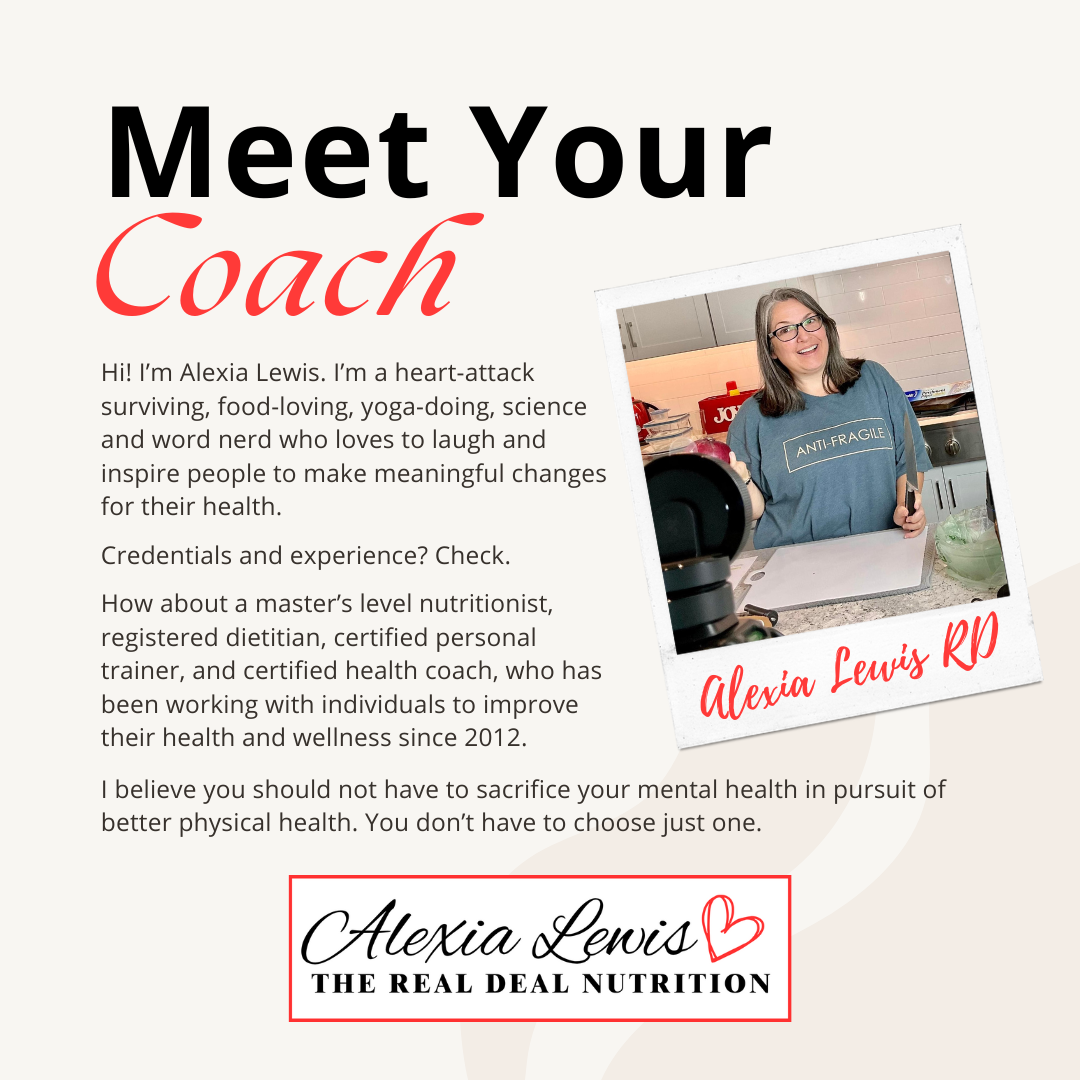





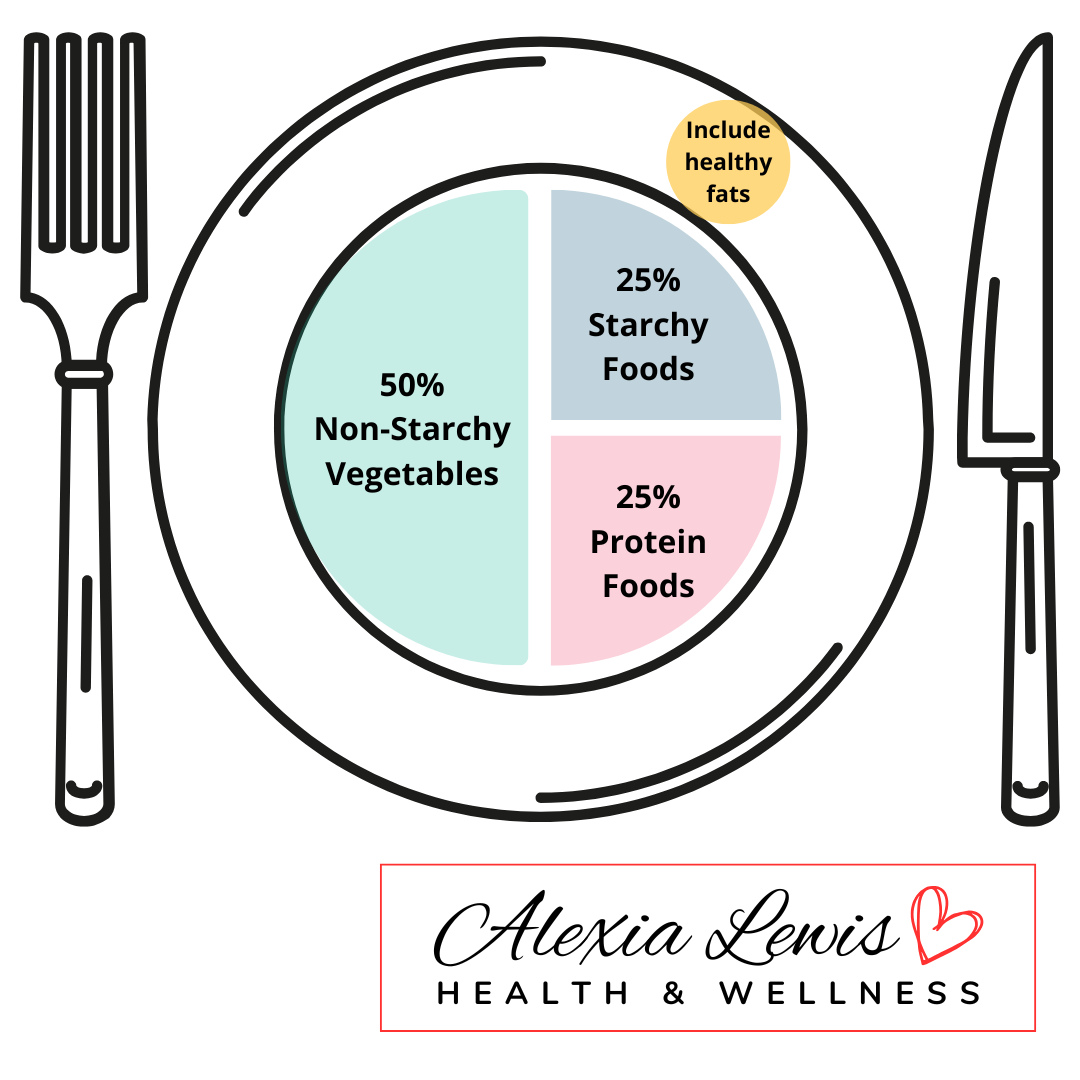

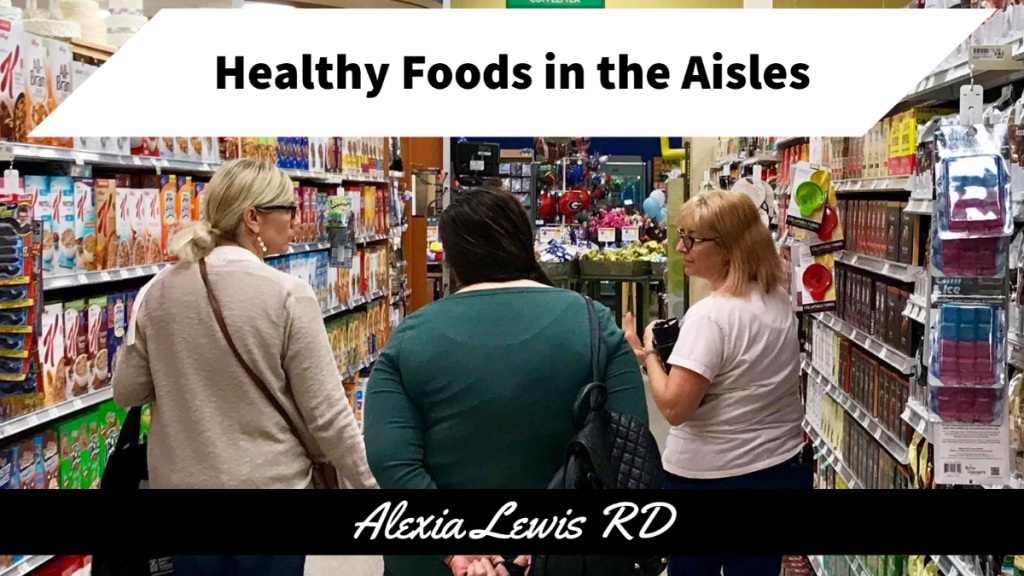


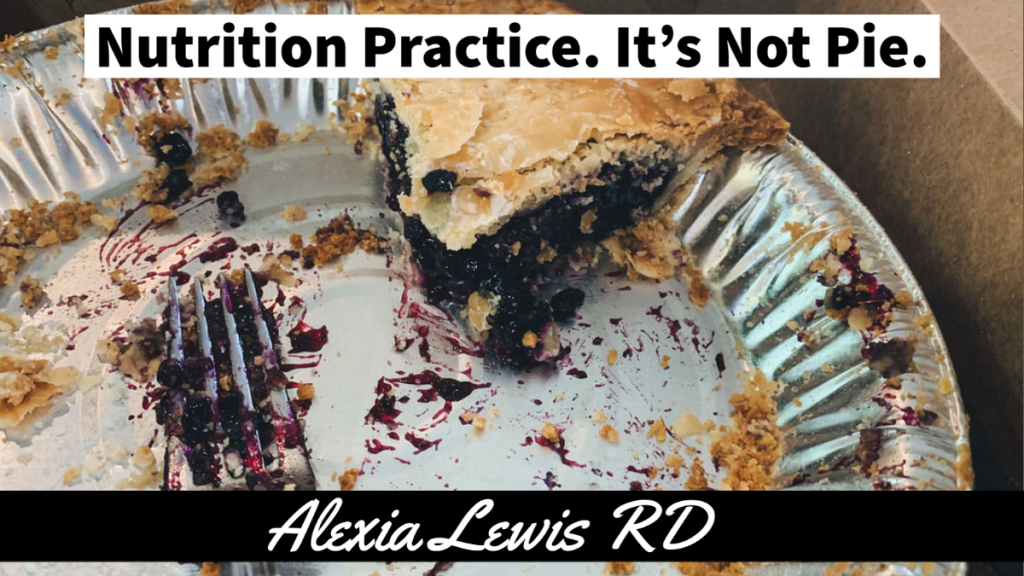


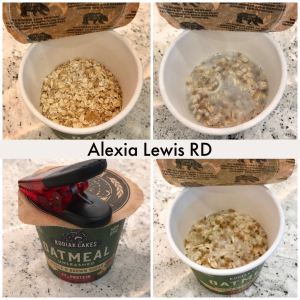


 A grocery store is an excellent resource for learning about food and food marketing in general, discovering which foods and products will work best for you and your family, and getting answers to your health and food questions.
 on your (imaginary) detective hat, go into the store, and put our hands on food packages. You get to put what you just learned into action to make better-for-you food choices.
 You will walk away empowered knowing you can choose healthier-for-you foods on your very next shopping trip. After this fun and interactive experience, you will be so much closer to knowing exactly how use food and nutrition to reach your health goals. You will also be well prepared to handle life’s curveballs because you know how to critically evaluate food packaging – instead of just getting brand recommendations. You will now have the skills to change your food choices as your health, needs and schedule changes.
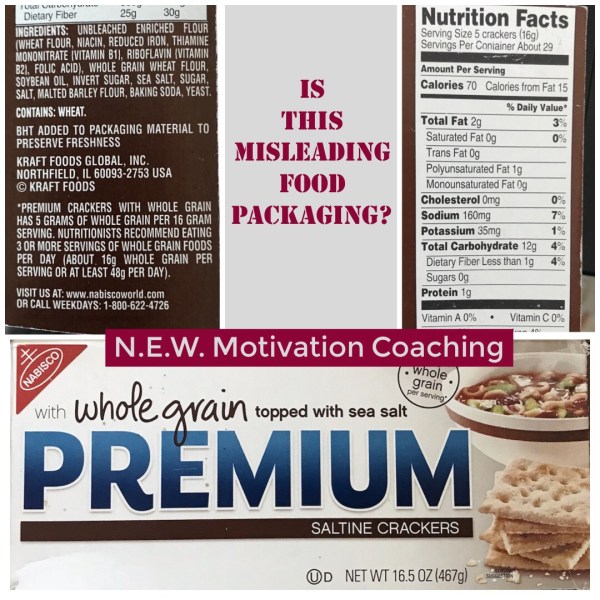 with the word “Natural” in big type on the front of the package and there are pictures of farms or hearts on it.
 What actually happens if antibiotics end up in dairy milk when it’s being transported?
 The aisles are long and sometimes hard to maneuver. Ever run your cart into a bin in the aisle with a sale item?
 If you have been wondering about that new cold brew coffee or the pre-made overnight oats or egg cups, a grocery tour is a great chance to figure out if those products are worth a try.
 Grocery tours are interactive – each one is different! Your questions guide what the tour covers so you can be sure to get what you need from the tour.


You must be logged in to post a comment.