If you are wondering about getting enough protein in your plant-based diet, check out these three healthy, minimally processed plant-based foods that can boost your protein right up. Also get registered dietitian and culinary nutritionist, Alexia Lewis RD’s take on protein supplements and vegan meat alternatives.
When you start following a more plant-based dietary approach, including vegetarian and vegan diets, you might be concerned about eating enough protein. And it’s a valid concern. It can be more difficult to eat enough protein when following a plant-based, vegetarian, or vegan diet.
But… let’s be real. Without proper planning, any kind of dietary approach can be poorly done, even those that include animal-based foods. Just sayin.
Sure, you could easily boost your protein in a plant-based diet by including a plant-based protein powder or supplement. And there is room for these foods in an overall healthy diet – more on that below.
But what if you want to avoid too many highly or ultra-processed foods like these?
It’s too early to draw any sweeping conclusions, but you may have seen that recent studies are starting to show a link between highly processed foods and negative health outcomes.
So, how can you get enough protein in your plant-based diet if you want to start cutting back on these ultra-processed foods?
Protein in Meats Verses Plant-Based Foods
Generally, foods with protein come from meats (including poultry and seafood), eggs, legumes (beans, peas, and lentils, which also includes soy), and nuts or seeds. Even though veggies and grains have protein, they aren’t considered protein-rich foods.
If you are wondering why, it’s because meats generally have the most protein per bite. Sure, all foods have some protein, but plant foods typically have less protein per bite than meats.
Consider that a 3.5 ounce chicken breast, which is about the size of an average palm, has about 31 grams of protein. To get that much protein, you would need to eat 8 cups of broccoli.
Take a look at these foods and their protein content.
| Food | Grams in a Serving | Or about… | Has this much protein |
|---|---|---|---|
| Chicken Breast, cooked | 100 * | 3/4 cup | 31 grams |
| Black beans, cooked | 100 | 1/2 cup | 9 grams |
| Quinoa, cooked | 100 | 1/2 cup | 7 grams |
| Broccoli, cooked | 100 | 1/2 cup | 2 grams |
Okay, well I love a good dinner bowl and I chose those foods for a reason. Because I would totally smash a quinoa, black bean, and broccoli bowl with avocado, salsa, and sriracha!
But when I have a bowl like this, I typically use about 1 cup of quinoa and 3/4 cup of black beans plus about 2 cups of veggies. Good news – that actually has the same 31 grams of protein as that chicken breast. (yay!)
And, you may have realized, there’s the rub.
You may have to eat a huge portion of plant-based foods (4 cups!) to equal the protein in a small portion of animal-based foods (about 3/4 cup). For some, this big portion is welcome news; but others may have difficulty eating this amount of food at each meal.
So, let’s get on to the three minimally processed foods that I recommend for boosting the protein in a plant-based diet, so you don’t have to stuff yourself to meet your protein needs.
Food Number One: Tempeh
Tempeh should be at the top of your list if you are a plant-based eater who does not like tofu.
Tempeh is made with soybeans, just like tofu, but the beans are fermented which holds the beans together in a solid layer. It’s kind of like being able to take a slice of soybeans.
You get about 20 grams of protein for each 100-gram serving of tempeh, making it one of the plant-based foods that gets close to the meat-based foods, bite for bite.
Tempeh has a savory and slightly nutty flavor. It needs to be cooked and, well, you may have no idea what to do with it if you haven’t had it before.
You can slice it and pan-sauté it to make a vegan “BLT” with the crispy tempeh replacing the bacon. Fun fact – this breakfast sandwich, which also has avocado, was Alexia Lewis RD’s first Instagram post.

You can also rough chop tempeh or pulse it in your food processor to break it up then toss it in a pan to use as a replacement for ground beef in tacos, spaghetti sauce, or chili. The extra flavors in these dishes will give more flavor to the tempeh.
Food Number Two: Nut Butters and Pressed Nut Powders
Nuts are a nutritious food, but the calories add up fast. This is great if you are working to gain weight, but not so great if you are on a weight loss journey.
The reason nuts are higher in calories than many other foods is that they have a high percentage of fat, which translates to more dietary fat and calories per bite.
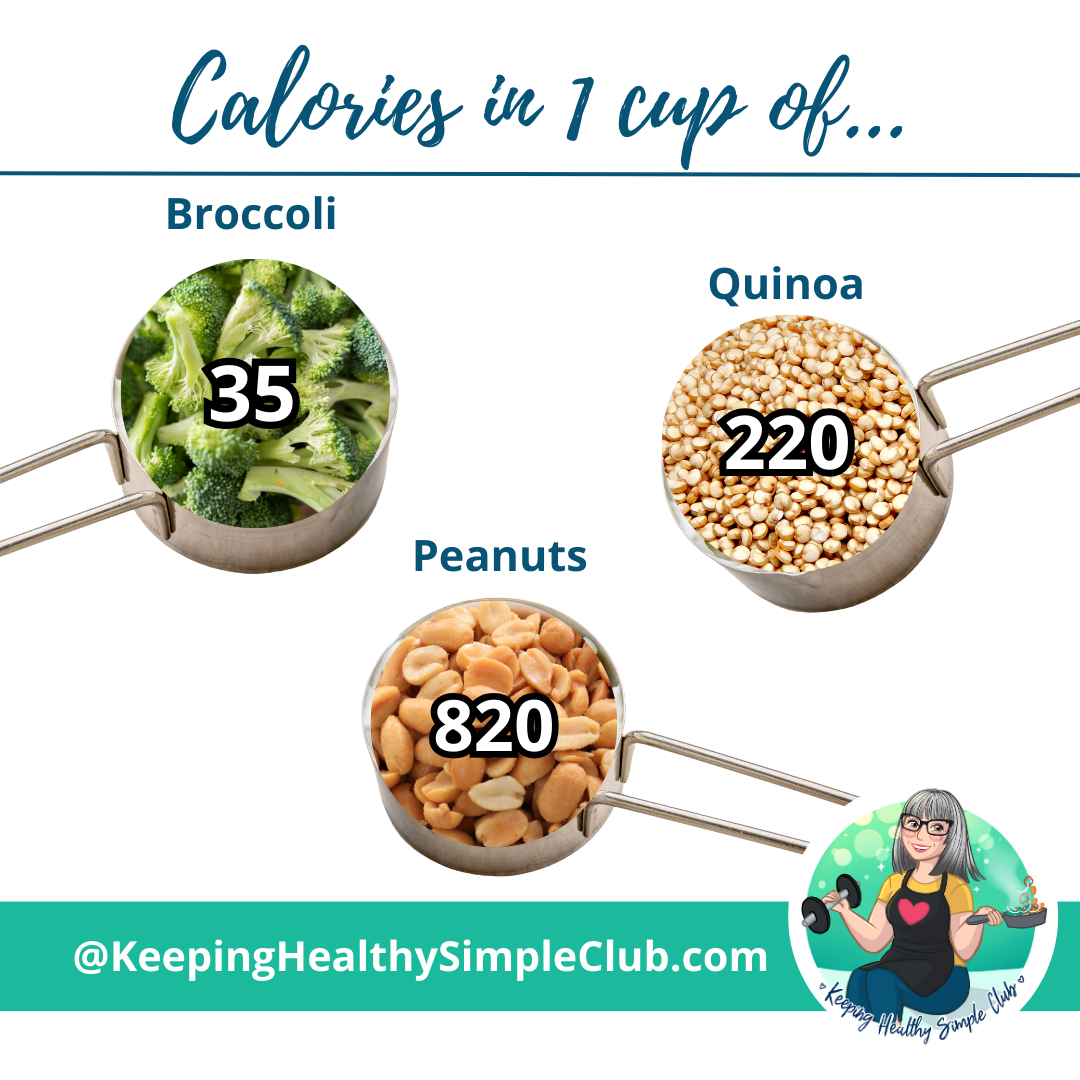
Nut butters are considered a minimally processed food, especially if you check the food label to make sure the ingredients are limited to the nut and salt (ex: peanuts, salt). Be wary as some brands add more ingredients to emulsify, stabilize, and sweeten the nut butter.
You may think that nut butter powders are a highly processed food since it’s basically turning peanuts into a powder. But hear me out.
Yes, you are correct that this is a more processed food. However, it’s not heavily modified. The peanuts are roasted, pressed to remove the oils, then ground into powder, reducing the fat and keeping a lot of protein. Again, look for the nuts and salt on the ingredients list.
For each 100-gram serving, you get about 22 grams of protein in peanut butter (and 600 calories) and whopping 48 grams of protein in powdered nut butter (and 460 calories).
But don’t get too excited because you likely won’t eat this much in one sitting. I mean, that would be a 1-cup measuring cup full of peanut butter powder before you even mix it with something.
Use the nut butter powder in smoothies or sprinkle some in any dishes that pair well with the nutty flavor and could use a little protein boost. It would be great in this pineapple curry tofu recipe, which is one of my faves. You can also mix the powder with a little water and stir to mimic the consistency of peanut butter.
Food Number Three: Chia Seeds
Just like nuts, seeds are higher in fat and calories than many other types of foods. You get 17 grams of protein in a 100-gram serving.
WARNING – please do not eat 100-grams of chia seeds. If you do not eat a high-fiber diet, do not go crazy on these because they can lead to GI issues and constipation in large quantities. So, take it slow and drink more water.
Chia seeds can be used as a vegan egg substitute when baking by mixing with water and letting them sit until they form a gel-like consistency. Try using 2-3 tablespoons of water for each tablespoon of seeds.
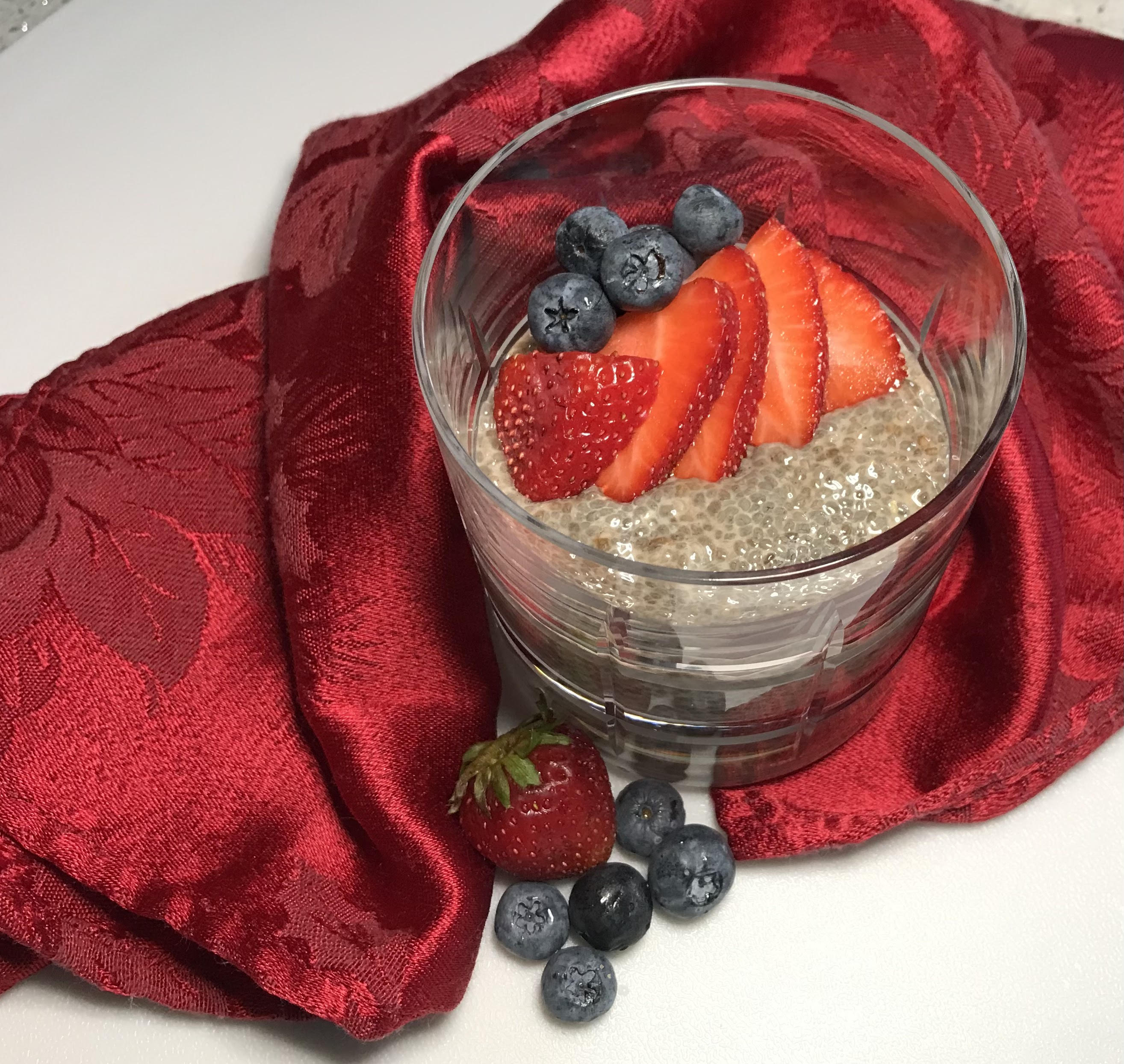
I love them as a chia seed pudding, which you can meal-prep for a quick, filling snack or dessert. Here is one of my faves – a vanilla chia seed pudding with fresh berries.
Protein Summary
Here are how these three minimally processed plant-based foods stack up when added to our chart on protein.
| Food | Grams in a Serving | Or about… | Has this much protein |
|---|---|---|---|
| Chicken breast, cooked | 100 * | 3/4 cup | 31 grams |
| Powdered nut butter | 50 ** | 1/2 cup | 24 grams |
| Peanut butter | 100 | 1/3 cup | 22 grams |
| Tempeh | 100 | 1/2 cup | 20 grams |
| Chia seeds | 100 | 1/2 cup | 17 grams |
| Black beans, cooked | 100 | 1/2 cup | 9 grams |
| Quinoa, cooked | 100 | 1/2 cup | 7 grams |
| Broccoli, cooked | 100 | 1/2 cup | 2 grams |
As you can clearly see, these plant-based foods pack in more protein than the foods you may typically think of when looking for a plant-based protein.
Protein Supplements
Okay, let’s circle back to the easy way to boost protein – with supplements.
First and foremost, there is no shame – nada, zip, zero, none – in using a protein supplement.
These are a great option if you can’t meet your protein needs with less processed foods, you don’t have time to (or want to) cook or meal prep, or you are in a hurry and need a grab-and-go. Or really, any other reason. You don’t have to justify how you eat to anyone.
In fact, when I have a nighttime craving for something sweet, I love to use the Transform Protein Powder or Meal Replacement Powders in a smoothie or in my Ninja Creamie to make a protein ice cream. And this is where I let you know that I am an affiliate for Transform, which means you can get a deal on these products.
Also, on mornings where I don’t have time for a proper breakfast, I often will add a pre-made caramel protein drink to my coffee for a delicious pick-me-up and protein/calories to start my day.
Vegan Meat Alternatives
And if you are wondering why I didn’t include any vegan “meats,” it’s because I am incredibly wary of these foods. They are very highly processed and I’m putting my money down now that these are going to turn out to not be a healthy approach to plant-based eating in any way.
You heard it here first.
What’s Next?
Switching to a more plant-based diet?
Curious if you are eating enough protein for your body’s needs and health goals?
Talk to Alexia through Nourish. You can even use your health insurance!

2 thoughts on “Three Whole Foods to Boost the Protein in Your Plant-Based Diet”